
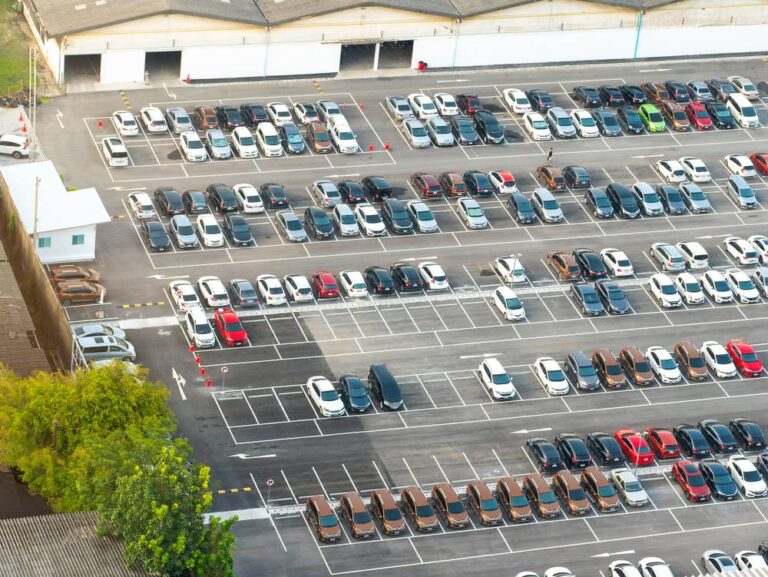
If you’re planning a commercial parking lot paving project, one of the first questions is cost — followed closely by how long it will take and what’s actually involved.
Whether you manage a retail plaza, warehouse, office building, or industrial facility, your parking lot plays a direct role in daily operations. It affects traffic flow, safety, and how your property is perceived.
Understanding the cost of commercial parking lot paving, realistic timelines, and what to expect during the process helps you make informed decisions and avoid unnecessary delays. For property owners evaluating options, working with a provider of asphalt paving services ensures the project is built for long-term performance.
What determines the cost of commercial parking lot paving?
Commercial parking lot paving costs vary depending on several key factors. No two properties are the same, which is why pricing is always based on site conditions and project scope.
The main factors that affect cost include:
- Size of the parking lot
Larger areas require more materials, labour, and time. - Existing surface condition
A lot that needs full removal and reconstruction will cost more than resurfacing. - Base preparation requirements
Weak or unstable sub-base conditions increase preparation work. - Traffic load requirements
Industrial sites with heavy truck traffic require thicker asphalt layers. - Drainage and grading needs
Poor drainage must be corrected to prevent long-term issues.
For commercial and industrial properties, investing in proper asphalt paving upfront reduces the likelihood of early repairs and ongoing maintenance costs. This is especially important for properties operating in high-demand areas such as Toronto or Brampton, where traffic load and usage are significantly higher.
How much does commercial asphalt paving typically cost?
While exact pricing depends on the project, commercial asphalt paving is generally priced per square foot. However, focusing only on price per square foot can be misleading.
A lower upfront cost may mean:
- Inadequate base preparation
- Thinner asphalt layers
- Poor drainage planning
These shortcuts often lead to cracks, potholes, and premature failure.
For property owners, the real value comes from long-term performance, not just initial cost.
If you’re considering a project, the best approach is to get a site evaluation and a detailed quote based on your property’s requirements. A professional assessment from a contractor experienced in commercial asphalt paving helps avoid underestimating the true scope of work.
What is the difference between parking lot paving and resurfacing?
Many commercial property owners are unsure whether they need full paving or resurfacing.
Full Parking Lot Paving
- Complete removal of existing asphalt
- New base installation
- New asphalt application
This is required when the foundation is failing or damage is widespread.
Asphalt Resurfacing
- New asphalt layer over an existing base
- Cost-effective when the base is still stable
Resurfacing extends the life of a parking lot without full reconstruction.
Choosing the right option depends on the condition of the existing surface. A professional inspection will determine the best solution, especially for properties in areas like Mississauga or Vaughan where climate and usage patterns impact pavement lifespan.
How long does a commercial parking lot paving project take?
Timelines vary based on project size and complexity, but most commercial parking lot paving projects follow a similar process.
Typical timeline:
- Site preparation: 1–3 days
- Base work and grading: 1–3 days
- Asphalt installation: 1–2 days
- Curing time: 24–72 hours
Larger industrial projects or sites with extensive repairs may take longer.
Planning ahead is important, especially during peak paving season when schedules fill quickly.
What happens during a parking lot paving project?
Understanding the process helps property owners prepare for the work and minimize disruption.
1. Site Assessment
The project begins with evaluating the current condition of the asphalt, drainage, and traffic requirements.
2. Preparation and Grading
Existing asphalt may be removed, and the base is prepared to ensure stability. Proper grading is critical to avoid water-related issues, which is why many projects also require professional grading services.
3. Base Installation
A strong foundation is installed to support traffic loads and prevent future issues.
4. Asphalt Application
Hot mix asphalt is applied and compacted to create a smooth, durable surface.
5. Final Inspection
The surface is checked for quality, finish, and performance.
Each step plays a role in how well the parking lot performs over time.
Why is base preparation critical for commercial asphalt paving?
One of the most overlooked aspects of parking lot paving is what lies beneath the surface.
A poorly prepared base leads to:
- Cracking
- Potholes
- Uneven surfaces
- Drainage problems
For commercial and industrial properties, where traffic is constant, proper base preparation is essential for long-term durability. This is a key factor in all asphalt paving projects designed for high-load environments.
How does heavy traffic affect parking lot performance?
Commercial and industrial parking lots experience different types of stress:
- Continuous vehicle movement
- Heavy delivery trucks
- Turning and braking pressure
- Seasonal temperature changes
Industrial properties, in particular, require asphalt paving designed for higher load capacity.
If the surface is not built correctly, these factors accelerate wear and lead to costly repairs.
When is the best time to schedule parking lot paving?
Asphalt paving is best completed during warmer months, typically from spring through fall.
Warmer temperatures allow:
- Proper asphalt compaction
- Better bonding of materials
- Faster curing times
Scheduling early in the season helps avoid delays and ensures your project is completed before peak demand.
What are the signs your parking lot needs paving or repair?
Recognizing early warning signs helps prevent more extensive work later.
Common signs include:
- Cracks spreading across the surface
- Potholes forming in high-traffic areas
- Water pooling after rain
- Fading and surface wear
- Uneven or sunken areas
Addressing these issues early reduces repair costs and extends the life of your parking lot. Preventive maintenance strategies are covered in resources like proper asphalt maintenance.
How can property owners reduce long-term paving costs?
The most effective way to manage costs is through proactive maintenance and proper installation.
Key strategies include:
- Scheduling regular inspections
- Addressing cracks and potholes early
- Ensuring proper drainage
- Investing in quality asphalt paving
A well-maintained parking lot lasts longer and requires fewer repairs over time.
Why do commercial properties choose D Rock Paving?
D Rock Paving works with commercial and industrial clients who require dependable asphalt paving services.
With over 20 years of experience, our team focuses on:
- Proper site preparation
- Durable asphalt installation
- Efficient project timelines
- Minimizing disruption to operations
We understand the demands of high-traffic properties and deliver solutions that perform under real conditions.
Ready to plan your commercial parking lot paving project?
If you’re considering parking lot paving, resurfacing, or asphalt repair, getting a professional assessment is the first step.
Understanding your options, costs, and timeline helps you make the right decision for your property.
? 20 Regan Rd Unit 3 Brampton, ON L7A 1C3
(+1) 905-863-1126 ?
info@drockpaving.ca ✉️
Contact D Rock Paving today to schedule your consultation and get a clear, detailed quote.
Frequently Asked Questions
How long does commercial parking lot paving last?
Most asphalt parking lots last 15–20 years with proper installation and maintenance.
Can paving be done while the business is operating?
Yes. Projects can be phased to minimize disruption.
Is resurfacing cheaper than full paving?
Yes, resurfacing is more cost-effective when the base is still in good condition.
How soon can vehicles use a new parking lot?
Typically within 24–72 hours after paving, depending on weather.
What is the biggest factor affecting paving cost?
Base condition and preparation requirements have the biggest impact on cost.
Final Thoughts
Commercial parking lot paving is an investment in your property’s functionality and long-term performance. Understanding costs, timelines, and what to expect allows you to plan effectively and avoid unnecessary issues.
If your parking lot is showing signs of wear or you’re planning a new project, early action makes a measurable difference.